Skip to content
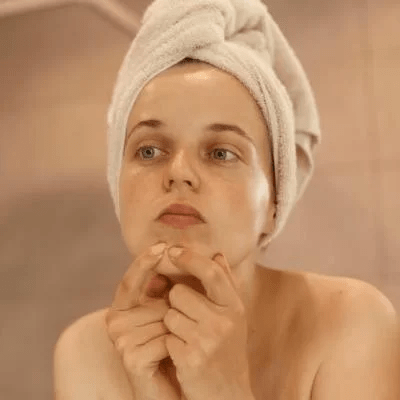


Acne is a skin ailment that affects millions of people throughout the world. It can be frustrating and damaging to one’s self-esteem. Fortunately, there are several treatment methods available to properly manage and minimize acne problems. In this post, we will look at the origins of acne, the many forms of acne, and a variety of effective treatment options to help you attain clear and healthy skin.
What is Acne?
Acne is a common skin disorder marked by the appearance of pimples, blackheads, whiteheads, and other skin lesions. It primarily affects the face, chest, back, and shoulders, which have a large concentration of oil glands. Acne commonly appears during adolescence, when hormonal changes cause the oil glands to generate more sebum (oil). Excess oil, coupled with dead skin cells and germs, can clog hair follicles, resulting in acne lesions of various forms.
Factors Contributing to Acne Formation:
The following are the primary elements that contribute to the development of acne:
- The body experiences hormonal shifts during puberty, most notably a rise in androgen levels. Androgens encourage the production of sebum by the oil glands, which can lead to acne formation
- Some people create more oil naturally than others, making them more prone to acne. Excess sebum can combine with dead skin cells to plug pores, allowing acne-causing bacteria to proliferate
- Propionibacterium acnes (P. acnes) is a type of bacteria found on the skin. P. acnes can grow and produce inflammation in the hair follicles, resulting in acne outbreaks
- Acne formation is heavily influenced by inflammatory reactions. When hair follicles get clogged, the immune system responds by causing redness, swelling, and the production of pus-filled pimples
- There is evidence that heredity can influence an individual’s vulnerability to acne. Acne is more likely to affect you if your parents or siblings have it
Types of Acne:
Following are some types of acne and each one has a different reason:
Whiteheads and Blackheads:
Whiteheads and blackheads are non-inflammatory kinds of acne that are distinguished by clogged pores. Whiteheads appear as little, flesh-coloured pimples, whereas blackheads appear dark because of oxidation of the trapped debris.
Papules:
Papules and pustules are inflammatory acne lesions. Papules are little, red lumps, but pustules look similar but contain pus.
Nodules and Cysts:
Nodules and cysts are severe types of acne that develop deep beneath the skin. Nodules are huge, painful bumps, whereas cysts contain pus and can cause scarring.
Why Visiting a Dermatologist is Necessary When You Have Acne?
Seeing a dermatologist for acne treatment is strongly advised for various reasons:
Accurate Diagnosis:
Acne can appear in a variety of forms and be caused by a variety of factors. By inspecting your skin and considering your medical history, a dermatologist can precisely evaluate the type and severity of your acne. This guarantees that you receive the most effective and suitable Acne Treatment in Islamabad for your unique ailment.
Customized Treatment Plan:
Dermatologists can create a treatment plan that is personalized to your specific needs. They assess the type of acne lesions, your skin type, your lifestyle, and any underlying skin disorders. This personalised strategy raises the likelihood of positive outcomes while reducing the danger of negative consequences.
Prescription Medication:
While over-the-counter drugs can assist with mild acne, some cases necessitate prescription-strength treatment. Dermatologists can prescribe stronger medications that address acne-causing variables, such as topical retinoids, antibiotics, or hormone therapies. They will also advise you on proper usage and any potential negative effects.
Latest Procedures:
Dermatologists have access to modern treatments and equipment that can help with difficult or severe acne situations. These may include chemical peels, microdermabrasion, laser therapy, or light treatments, which can be used in conjunction with other treatments to relieve acne symptoms and scars.
Preventing Scarring and Damage:
Acne, particularly severe acne, can cause scarring and hyperpigmentation. Dermatologists can intervene early and give appropriate treatment to reduce the risk of persistent scarring. They can also advise on skincare routines and products that aid healing and prevent further skin damage.
Treatment Options for Acne:
There are many treatment options nowadays to cure acne. The following are the best treatment and you can select any type depending on the type of acne:
Topical Medications:
Topical therapies are an important aspect of acne treatment, especially for mild to moderate cases. Here are some common acne topical treatments:
Benzoyl Peroxide:
Benzoyl peroxide is an efficient acne treatment component. It kills acne-causing germs, reduces inflammation, and unclogs pores. It comes in a variety of strengths, including 2.5%, 5%, and 10%. Gels, creams, lotions, and face cleansers all contain benzoyl peroxide. Begin with a lower strength to avoid skin irritation and gradually increase if necessary.
Salicylic Acid:
Salicylic acid is a beta-hydroxy acid that clears the skin, unclogs pores and aids in the removal of dead skin cells. It is especially useful for treating blackheads and whiteheads. Cleansers, toners, spot treatments, and exfoliating pads all contain salicylic acid. Begin with a low concentration, typically 0.5% to 2%, and gradually increase as needed.
Retinoids:
Retinoids are vitamin A derivatives that come in both prescription and over-the-counter forms. They function by controlling skin cell turnover, preventing blocked pores, and lowering irritation. Prescription-strength retinoids, including tretinoin, adapalene, and tazarotene, are typically more potent and must be obtained from a dermatologist. Over-the-counter alternatives, such as retinol, are gentler but still effective.
Topical Antibiotics:
Acne is occasionally treated with topical antibiotics such as clindamycin or erythromycin. They work by decreasing the number of acne-causing bacteria on the skin. However, because of concerns about antibiotic resistance, they are frequently used in conjunction with other treatments or for a limited time.
Combination Products:
Some topical treatments combine many active chemicals to treat various elements of acne. A product might contain benzoyl peroxide plus a topical antibiotic, or a retinoid and benzoyl peroxide. These combination solutions can be useful and effective, but they can also raise the risk of skin irritation, so it’s critical to follow the directions and monitor your skin’s reaction.
Professional Treatment Options:
Professional procedures, particularly for severe or persistent acne, can be essential additions to acne treatment plans. Here are some of the most often-used professional acne treatment procedures:
Chemical Peels:
Chemical peels entail applying a chemical solution to the skin that often contains alpha-hydroxy acids (AHAs), beta-hydroxy acids (BHAs), or trichloroacetic acid (TCA). The solution exfoliates the skin’s surface, increasing cell turnover and unclogging pores. Chemical peels can aid in the reduction of acne lesions, the improvement of skin texture, and the evenness of skin tone. The peel’s strength and depth can be tailored to the severity of the acne and the desired effect.
Types of Chemical Peels:
There are various types of chemical peels available, and the choice is based on the severity of the acne, the type of skin, and the desired outcomes. Here are some examples of common acne chemical peels:
Peels containing Alpha-Hydroxy Acid (AHA):
AHAs, such as glycolic acid and lactic acid, are gentler peels that work on the skin’s surface. They exfoliate the epidermis, clear pores, and improve skin texture. AHA peels are appropriate for treating mild acne, uneven skin tone, and modest acne scars. They may require repeated sessions to achieve the best effects.
BHA Peels:
Salicylic acid, a strong exfoliation that penetrates deeper into the pores, is the primary ingredient of BHA peels. Salicylic acid unclogs pores, decreases inflammation, and aids in the management of oil production. BHA peels are especially effective for treating blackheads, whiteheads, and acne-prone skin. They can also assist to reduce the visibility of acne scars.
Jessner’s Peel:
A medium-depth peel containing salicylic acid, lactic acid, and resorcinol. It exfoliates more deeply, unclogs pores, and minimises acne breakouts. Jessner’s peel also improves skin tone and texture while increasing collagen formation. After the treatment, the skin may require some downtime to heal.
Microdermabrasion:
Microdermabrasion is a minimally invasive process that exfoliates the skin and removes dead skin cells using a device. It aids in the unclogging of pores, the reduction of blackheads and whiteheads, and the improvement of overall skin texture. Microdermabrasion boosts cell turnover and collagen formation by removing the outer layer of the skin. It is especially useful for mild acne and can be coupled with other therapies to achieve even better results.
Laser Treatment:
Laser and light therapy is efficient at targeting germs, reducing inflammation, and promoting skin regeneration. Lasers of various varieties, such as pulsed dye lasers and diode lasers, can be used to kill acne-causing bacteria and reduce sebum production. Intense pulsed light (IPL) therapy can also help reduce acne-related redness and inflammation. Furthermore, by increasing collagen synthesis and enhancing skin texture, these treatments can help reduce acne scars.
Steroids Injections:
Steroid injections are a sort of acne treatment that can be used to reduce inflammation and speed up the healing process of acne lesions in certain instances. Steroid injections are most commonly used to treat big, painful, and inflamed acne lesions like cysts or nodules. These deep, inflammatory lesions can be difficult to treat and can take a long time to heal on their own. Steroid injections reduce inflammation, relieve pain, and promote quicker healing. The acne lesion is injected with a diluted corticosteroid solution.The steroid operates in the targeted location by lowering inflammation and suppressing the immunological response. This reduces the size of the lesion and relieves symptoms.
Final Thoughts!
If you have acne which is not fading away on its own then you might need an acne treatment. But make sure if you are choosing to get a professional treatment then always consult the best skin expert or the clinic which has the latest equipment and uses modern procedures to treat acne. Glamorous Clinic is one of the popular clinics that have an expert staff that will perform the customised treatment after analysing the acne type and cause.