Skip to content
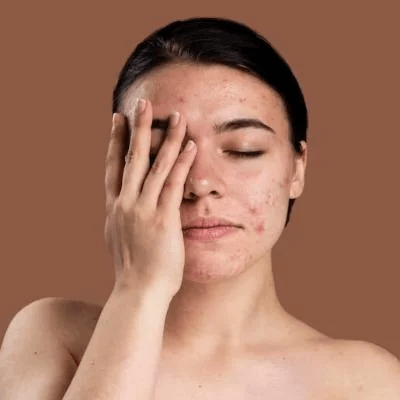


Skin is our body’s largest organ which is a protective layer of our internal body. But due to different factors, our skin develops different types of skin concerns. Some skin conditions are harmless while some can be contagious. The term skin condition can include anything on the skin from a small red bump to severe rashes. Anyone can develop skin concerns if you are one of them then you must get checked by a skincare expert. He will analyse your skin condition and will suggest the treatment procedure accordingly.
Causes of Different Skin Conditions:
People can suffer from a variety of skin conditions, ranging from minor irritations like acne to more serious conditions like psoriasis or eczema. The following are some of the most common causes of skin conditions:
- Many skin conditions are inherited or have a genetic component, which means they are passed down through families.
- Allergic reactions to pollen, pet dander, or certain foods can result in skin conditions such as hives or eczema.
- Skin conditions can be caused by bacterial, viral, or fungal infections. Fungal infections, such as ringworm, can cause red, scaly patches on the skin.
- Environmental factors, such as sun exposure, pollution, or chemicals, can cause skin conditions such as sunburn, rashes, or contact dermatitis.
- Hormone fluctuations can also cause skin conditions. Acne, for example, is frequently caused by changes in hormone levels during puberty.
- Psoriasis and lupus are thought to be caused by autoimmune disorders in which the body’s immune system attacks healthy skin cells.
Symptoms of Skin Condition:
The symptoms of skin conditions vary greatly depending on the condition. If you see any of the symptoms then make sure you visit the Dermatologist in Islamabad. However, some common skin condition symptoms include:
- Itching can be caused by a variety of skin conditions, and it can be mild or severe.
- Skin conditions frequently result in redness or inflammation of the affected area.
- Rashes are caused by some skin conditions and can be small or large, raised or flat, scaly, bumpy, or blistered.
- Some skin conditions cause skin dryness or flakiness.
- Skin conditions can cause pain that ranges from mild to severe.
- Swelling or edema of the affected skin area is possible.
- Some skin conditions, such as dark patches or white spots, can cause skin discoloration.
Common Skin Conditions:
Following the most common skin conditions which can occur at any age and both males and females can face these issues.
Acne and its Treatment:
Acne is a skin condition that occurs when dead skin cells and oil clog the pores. Whiteheads are pimples that form beneath the skin’s surface and erupt with a white centre, whereas blackheads are those that are exposed to air and appear black. Pink bumps, red, pus-filled pimples, nodules, and cysts may also appear on the skin. Acne usually appears on the face, back, neck, chest, and shoulders. Pimples can be caused by bacteria such as Propionibacterium acnes, inflammation, and hormonal fluctuations. Certain hormones can increase oil production, resulting in clogged pores. Acne is more common in adolescents than in adults.
Topical gels containing benzoyl peroxide, oral drugs such as antibiotics or isotretinoin, light therapy, chemical peels, and manual extraction are all common Acne treatments. Treatment success varies depending on the kind and severity of acne, and benefits may take time to appear. Before commencing any treatment, consult with a healthcare provider.
Cold Sore and its Treatment:
A cold sore is a tiny, fluid-filled blister that usually occurs on or around the lips but can also arise on the chin, cheeks, or inside the nostrils. They are highly contagious and caused by the herpes simplex virus (HSV). Cold sores can be unpleasant and uncomfortable, and they may crust over or scab as they recover. Stress, illness, sun exposure, or hormonal changes can all set them off. To avoid transmitting the virus, avoid close contact with others while you have an active cold sore.
Prescription antiviral drugs, over-the-counter lotions and ointments, home remedies such as a cold, damp cloth or aloe vera gel, and prophylactic measures such as avoiding triggers and close contact with others while you have an active cold sore are all possible treatments for cold sores.
Eczema and its Treatment:
Eczema is a chronic skin disorder characterised by dry, itchy, and irritated skin. It can manifest itself in a variety of ways, but the most common is atopic dermatitis. Eczema is thought to be caused by a mix of genetic and environmental factors, including immune system malfunction, allergens, irritants, and stress. People of different ages can be affected by the disorder, however, it is most typically identified in youngsters.
Eczema treatment often consists of a combination of actions to alleviate symptoms, such as avoiding triggers, using emollients to moisturise the skin, and applying topical drugs to reduce inflammation, such as corticosteroids or calcineurin inhibitors. Oral medicines or phototherapy may be recommended in extreme situations.
Hives and their Treatment:
Hives, also known as urticaria, are a type of skin reaction that causes itchy, red, raised welts or lumps. They can arise anywhere on the body and differ in size and appearance. Hives can be brought on by several things, including allergic reactions to food, drugs, or insect bites, as well as physical stressors such as heat, cold, or pressure. Hives can be an indication of an underlying medical issue, such as an autoimmune disorder or thyroid disease, in some situations.
Hives are often treated by recognizing and avoiding triggers, taking antihistamines orally to lessen symptoms, and applying topical lotions or ointments to calm the skin. Oral corticosteroids or other drugs may be administered in severe situations.
Lupus and its Treatment:
Lupus, commonly known as systemic lupus erythematosus (SLE), is a chronic autoimmune illness that can damage the skin, joints, kidneys, and heart, among other organs and tissues. Lupus develops when the immune system of the body targets normal cells and tissues, causing inflammation and damage. Although the specific cause of lupus is uncertain, genetic and environmental factors are thought to play a role.
Nonsteroidal anti-inflammatory drugs, corticosteroids, immunosuppressive treatments, and antimalarials are commonly used to manage symptoms and prevent disease progression in lupus patients. Modifications to one’s lifestyle, including obtaining adequate rest, protecting one’s skin from sun exposure, and following a balanced diet and exercise routine, can also help to control symptoms and improve overall health.
Skin Cancer and its Treatment:
Skin cancer is a form of cancer that begins in the cells of the skin. Basal cell carcinoma, squamous cell carcinoma, and melanoma are the most frequent kinds of skin cancer. Skin cancer can form everywhere on the body, but it is most common in places that are regularly exposed to sunlight, such as the face, neck, arms, and legs. A history of sunburns, a family history of skin cancer, fair skin, and exposure to artificial sources of UV radiation, such as tanning beds, are all risk factors for skin cancer.
Skin cancer treatment primarily consists of surgical removal of malignant tissue, while alternative treatments such as radiation therapy, topical chemotherapy, and immunotherapy may also be employed depending on the kind and stage of cancer.
Vitiligo and its Treatment:
Vitiligo is a chronic skin condition that causes regions of skin to lose pigmentation, resulting in white or light-coloured patches. It happens when melanocytes, the cells that create skin pigment, are killed, resulting in colour loss. The precise aetiology of vitiligo is unknown, although it is thought to be an autoimmune condition in which the immune system assaults and destroys melanocytes.
Vitiligo treatment often consists of topical or oral medications, such as corticosteroids, calcineurin inhibitors, or immunosuppressants, to assist restore skin colour and prevent additional pigment loss.
Warts and their Treatment:
Warts are noncancerous skin growths produced by the human papillomavirus (HPV). They can appear anywhere on the body, but the hands, feet, and face are the most usually affected. Warts can be of all sizes, shapes, and colours, and they can be smooth or rough to the touch. They can be transmitted directly through contact with the virus or indirectly through shared things such as towels or shoes.
Over-the-counter drugs such as salicylic acid, cryotherapy (freezing the wart), and laser therapy may be used to treat warts. Prescription drugs or surgical removal may be required in some circumstances. To avoid transmitting the virus, it is also vital to take preventive steps such as not touching or picking at warts, wearing shoes in public places, and practising good hygiene.
RingWorm and its Treatment:
Ringworm, also known as dermatophytosis, is a common fungal skin condition that can affect several regions of the body, including the scalp, foot, and groyne. Despite its name, ringworm is caused by a fungus called dermatophytes, not a worm. The infection creates itchy or painful circular or oval-shaped patches of red, scaly skin with a raised border.
Ringworm treatment often consists of topical or oral antifungal drugs, depending on the severity and location of the infection. To avoid the spread of infection, it is also vital to adopt preventive steps such as not sharing personal belongings with others, keeping skin dry and clean, and wearing protective gear in public places.
Ways to Prevent Skin Conditions:
Adopting healthy practices that might help preserve the general health of your skin is part of preventing skin issues. Here are some preventative measures for skin conditions:
- When you are out in the sun, always wear protective clothing such as long-sleeved shirts, caps, and sunglasses. Use broad-spectrum sunscreen with at least an SPF of 30, and reapply it every two hours.
- Eczema and psoriasis are more likely to occur in those with dry skin. To keep your skin hydrated, use a moisturiser that is appropriate for your skin type and apply it regularly.
- Avoid using strong soaps, detergents, and other skin-irritating chemicals. Use gentle cleansers and hypoallergenic products instead.
- A good diet can help your skin’s general health. Consume a diet high in fruits, vegetables, and whole grains while avoiding foods high in sugar and harmful fats.
- It is critical to drink enough water to keep your skin hydrated and healthy. Drink at least eight glasses of water per day.
Final Thoughts!
If you are having any skin condition then this article may be helpful for you as it includes ways to prevent and treat skin conditions from a skin expert. If you have any other query related to it then you can contact the team of Glamorous Clinic. Our highly expert team will be happy to help you sort out your skin problems.