Skip to content



Laser hair removal and Hydrafacial, being the 2 most widely used non-invasive aesthetic treatments nowadays, are combined use of the procedures by many persons in their skincare routine to get smooth, radiant, and hairless skin. A frequently asked question, however, is: How Can You Get A Hydrafacial After Laser Hair Removal? The answer is yes, but the time of the day, being, is of great importance. Knowing the effect of each of the two procedures on your skin will help you prevent irritation and also get the best results out of the treatment. This article will look into how both treatments work, identify a safe time when both procedures can be combined, and discuss safety precautions.
What Is Laser Hair Removal?
Laser hair removal uses light energy to destroy pigment (melanin) in hair follicles. The idea is that the laser heats and damages the follicle; thus, hair growth is either slowed down or stopped altogether.
Besides being a safe and effective method, laser hair removal may also make your skin sensitive for some time. The area may become red or slightly swollen. This is more likely to happen on the face, underarms, or bikini line.
Typical Reactions of the Skin Post-Laser Treatment:
- Redness
- Mild swelling
- Sensitivity or warmth
- Slight dryness
Usually, these symptoms disappear within a day or three, but the exact time may vary based on the skin type and the treatment.
What is Hydrafacial:
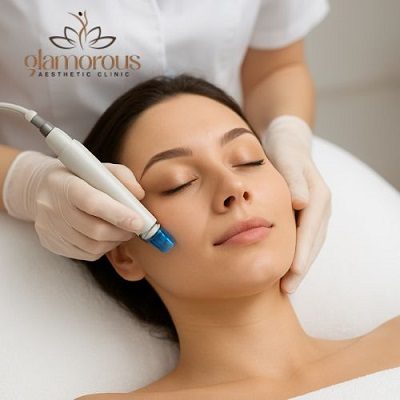
Hydrafacial is a gentle, multi-stage facial therapy that exfoliates, extracts, and hydrates the skin through the use of a device designed for the purpose. The main selling point is the excellent immediate glow achievable with little or no recovery time.
Main Advantages of Hydrafacial:
- Thorough cleansing and exfoliation
- Deep hydration
- Enhancement of the skin surface
- Removal of skin dullness and tightening of pores
- Neutral and safe for all skin types
Even though Hydrafacial is non-irritating, it is such that exfoliation and suction are involved and, therefore, it may be too aggressive for skin that has just been subjected to a laser.
Is It Allowed to Undergo Hydrafacial After Laser Hair Removal?
Yes, it is allowed, but not right away.
Most dermatologists and skincare professionals recommend a minimum interval of 3 to 7 days between laser hair removal and Hydrafacial, allowing for skin-lair recovery and reducing the risk of irritation.
The Reason for Waiting:
When you have just undergone a laser treatment, your skin is more susceptible to and easily harmed by damaged. Therefore, coming in for a Hydrafacial appointment too fast, in that case, might:
- Causes redness and inflammation
- Cause burning or stinging sensations
- Bring about irritation or acne
- Make it hard for the skin to heal
Waiting is the only way to be sure that both treatments, on the one hand, work flawlessly and, on the other, your skin’s integrity is not compromised.
Choosing the Right Timing Between Having a Hydrafacial and Laser Hair Removal:
The factors that you need to consider to be able to determine the appropriate amount of time are:
Ideal Time Gap Between Laser Hair Removal and Hydrafacial
The precise time you should wait will be decided by:
- The type of your skin
- The area you decide to be treated
- The intensity of the laser
- How your skin heals after the laser treatment
General Guidelines:
- Face: 5–7 days
- Body areas: 3–5 days
- Sensitive skin: Up to 7 days or until the redness has completely disappeared
- It is always a good idea to check with your aesthetician before making an appointment for any treatment.
Can You Do Hydrafacial Before Laser Hair Removal?
Indeed, and oftentimes it is very helpful.
A Hydrafacial done 3–5 days before laser hair removal facilitates the following:
- Elimination of dead skin cells
- Cleaning of clogged pores
- Enables the laser to penetrate the hair follicles deeply and thoroughly
But you shouldn’t undergo Hydrafacial and laser hair removal on the same day.
Signs Your Skin Is Ready for a Hydrafacial After Laser:
A Hydrafacial may be done without any risk when:
- All the redness is gone
- Skin is quiet and feels normal feeling
- There is no burning sensation or any kind of discomfort
- There is no dryness or irritation visible
It’s advisable to wait a bit more if your skin is still too sensitive.
Post-Laser Care Tips Before Getting a Hydrafacial:
Some of the common aftercare steps of laser hair removal that can prepare your skin for Hydrafacial include the following:
- Stay out of the sun
- Clean your face with a mild cleanser
- Put on some calming moisturizers
- Don’t use exfoliants, retinoids, or acids
- Wear your sunscreen every day
Following the aftercare rules leads to fast recovery and minimizes side effects.
Who Should Be Extra Cautious?
Some of the conditions under which one should exercise extra caution are:
- Very sensitive skin
- Rosacea or eczema
- Active acne or inflammation
- A history of post-treatment irritation
The practitioner might advise you to stay longer between your next sessions in such situations.
FAQ,S OF Can You Get A Hydrafacial After Laser Hair Removal:
Can I do a Hydrafacial on the same day as laser hair removal?
The correct answer is no, as the risk of irritation is increased.
Is Hydrafacial safe for sensitive skin after laser?
That's right, but only when the skin is completely healed.
Can Hydrafacial reduce post-laser dryness?
Yard, following the healing period, Hydrafacial will help return moisture to the skin.
Which treatment should be done first, laser or Hydrafacial?
Hydrafacial treatment can be done a couple of days before the laser session or after the skin has fully recovered.
Does Hydrafacial affect laser hair removal results?
If the procedures are done with the right timing in between, then no, the results will not be affected.
Should I consult a dermatologist before combining these treatments?
Yes, particularly if you have a sensitive or easily irritated skin.
Final Thoughts:
So, is it ok to get a Hydrafacial post-laser hair removal? Yes, provided that your skin has regenerated adequately. Book Your Appointment at Glamorous Aesthetic Clinic for the best hydrafacial. Both treatments can bring you incredible results, yet the secret to success lies in the proper scheduling that will allow your skin to remain unscarred, smooth, healthy, and radiant. Always adhere to the professional’s guidelines and be sensitive to your skin’s reactions.

Dr.Annas Sani

Introduction: Dr. Annas Sani is a highly motivated and compassionate physician with a strong background in internal medicine, general practice...
View Profile
Dr. Mehwish Asad
Introduction: Dr. Mehwish Asad is an Aesthetic and General Surgeon, a motivated and hardworking specialist, enthusiastic about medical services...
View Profile
Dr. Ahmed Ali
At our clinic we introduce you to our certified and professional Dr Nadia Tariq, a well known plastic and reconstructive surgeon and aesthetician...
View Profile
Dr. Nadia Tariq
At our clinic we introduce you to our certified and professional Dr Nadia Tariq, a well known plastic and reconstructive surgeon and aesthetician...
View Profile
Dr. Fabiha Abid
We proudly introduce you to our certified and highly skilled Dr. Fabiha Abid, a renowned physiotherapist and aesthetician providing...
View Profile
Dr. Sabeela Imran
Dental Surgeon (BDS) | PMDC Registered: Dr. Sabeela Imran is a patient-friendly dental surgeon who is passionate about...
View Profile
Dr. Samra Liaquat
At our Glamorous Clinic, we proudly announce our medical professional Dr. Samra Liaquat, an experienced dental surgeon and aesthetic...
View Profile
Dr. Zala Ejaz
Introducing Dr. Zala Ejaz – a highly skilled and trained Dermatologist and Aesthetic Physician with extensive clinical experience in diagnosing...
View Profile
Dr. Rabia Qazi
Aesthetic Doctor | GMC Registered | NHS Doctor Dr. Rabia Qazi is a highly qualified aesthetic physician dedicated to delivering...
View Profile
Dr. Abida Sardar
Meet Dr. Abida Sardar—the Consultant Dermatologist and Aesthetic Physician at Glamorous Aesthetic Clinic Islamabad. With more than 19 years of...
View Profile
Dr. Muqaddas Mahnoor
Doctor of Physical Therapy (DPT) | Cardiac Perfusion Technology Student | Science Educator Dr Muqaddas Mahnoor at Glamorous Aesthetic Clinic...
View Profile
Dr. Mahrukh Ali
Dentist | Aesthetic Physician. Dr. Mahrukh Ali is an expert dentist and aesthetician with experience in general dentistry and aesthetic treatments.
View Profile