Skip to content

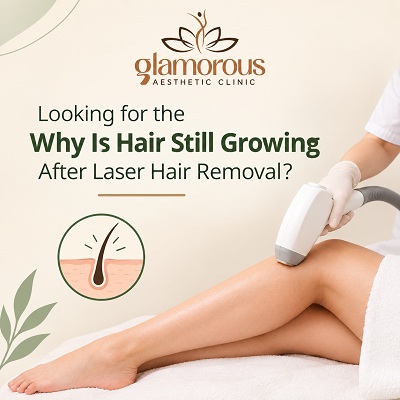


When people start Laser Hair Removal, they often expect every unwanted hair to disappear after treatment. So, seeing hair a few days or weeks later can naturally raise the question, Why Is Hair Still Growing After Laser Hair Removal? Laser hair removal works most effectively on actively growing hairs but all follicles do not enter that stage at the same time. This is why practitioners schedule several laser hair removal sessions rather than expecting one appointment to remove every hair. Understanding the hair growth cycle makes it much easier to know what is normal after treatment and when persistent hair growth may need further assessment.
Quick Facts:
- Treatment: Laser Hair Removal
- Treatment Type: Laser based long term hair reduction
- Purpose: To reduce unwanted hair by targeting suitable hair follicles
- Treatment Modality: Laser energy targets pigment within the hair follicle
- Hair Growth Cycle: Laser works most effectively on hairs in the active anagen growth phase
- Number of Sessions: Usually requires several sessions, often 6 or more depending on individual factors
- Treatment Intervals: Vary according to the body area and hair growth cycle
- Initial Results: Treated hairs may gradually shed over the following days or weeks
- Treatment Longevity: Long term hair reduction, although some regrowth and maintenance may occur
- Downtime: Usually minimal or none
- Follow Up: Additional sessions and occasional maintenance may be recommended depending on your response
Why Is Hair Still Growing After Laser Hair Removal?
Despite laser hair removal, hair growth can be noticed due to the fact that the laser will not see every hair follicle in a single treatment. Hair is in various growth phases and laser treatment is most effective when the hair is in its active growth phase. During your appointment, some follicles will be inactive or shift to other phases. Those follicles will then start to grow hair, and it can seem like the treatment failed.
You can also observe treated hairs remaining in the hair for anywhere from a few days to weeks and then dropping out. Despite the laser energy being delivered to the follicle, these hairs can appear to be continuations of the growth.
In simple terms, seeing some hair after treatment usually forms part of the normal laser hair reduction process rather than automatically indicating unsuccessful treatment.
Is It Normal to See Hair After Laser Hair Removal?
Yes. It’s perfectly normal to see hair soon after treatment.Not all treated hairs will fall out right after a laser session. Rather, it is a gradual hair fall that occurs in the days or weeks after laser treatment.
In this time, the hairs may appear to be continuing to grow as they push their way to the surface of the skin. Over time, many of the treated hairs also detangle and fall out. Meanwhile, non growing follicles during your last session may start growing hair that you can see. This combination may cause the area to look coarser than normal for a while following treatment.
What Affects Hair Growth After Laser Hair Removal?
Several factors can influence hair regrowth after laser treatment and how quickly you notice a reduction.
- Hair Growth Cycle:
Only a proportion of follicles sit in active growth at any one time. Multiple treatments help target additional follicles as they enter the anagen phase
- Number of Sessions:
One session usually cannot produce the maximum possible reduction. Most treatment plans involve several sessions because new groups of actively growing hairs appear between appointments
- Hair Colour and Thickness:
Laser systems target pigment within the hair. Darker, coarser hair generally absorbs laser energy more effectively than very light, grey, white or red hair because those lighter hairs contain less melanin
- Skin and Hair Contrast:
The relationship between skin tone, hair colour and the laser technology used can influence treatment settings and effectiveness. Appropriate device selection and professional settings remain important for both safety and results
- Treatment Area:
Different body areas have different hair growth patterns. Facial hair, for example, can behave differently from hair on the legs, underarms or bikini area
- Hormonal Influence:
Hormones can stimulate new or continuing hair growth, particularly on areas such as the face and chin. Hormonal changes do not necessarily mean laser treatment has failed, but they can influence the amount of maintenance required
How Many Laser Hair Removal Sessions Are Usually Needed?
There is no fixed number of sessions that can be universally applied to all. Laser hair removal treatments are often a series of laser treatments, as the follicles that respond well to the laser treatment will only be treated during the specific time.
Depending on the area, type of hair, hormonal changes and individual reaction, many persons need more than one session, usually 6 or more. It may be necessary to have a different schedule for facial areas than for areas like the legs and arms, bikini and underarms.
Can Laser Hair Removal Cause More Hair Growth?
Rarely, laser or light based hair removal can cause an unexpected increase in hair known as paradoxical hypertrichosis. It does not reduce the hair density or visibility; it makes them more dense or visible in and around the treated area.This unusual phenomenon is found mainly in the areas of the face and neck according to research. Its exact cause is still not known but there are a couple of treatments and biological factors that might be involved.
This is unique as it does not occur as normal shedding or as a result of the dormant hairs being in the active phase. If you see a definite and consistent hair density growth after treatment, then you can evaluate that by a professional to see what is going on and if you need to adjust your treatment plan.
Does Shaving Make Hair Grow Back After Laser?
No. Shaving does not stimulate the hair follicles to grow thicker or grow faster. Shaving removes the hair at the surface of the skin but does not affect the hair at the base of the skin. The newly emerged hair may at the beginning feel rough because the hair is shaved, but it hasn’t changed in its biological thickness.
It is a common recommendation of practitioners that the hair be shaved before laser treatments, as the laser must hit pigment in the hair follicle and not have too much hair above the skin. Waxing, threading and plucking between treatments can disrupt the treatment thanks to their action of removing hair from the follicles.
Laser Hair Removal and Long Term Hair Reduction:
Laser hair removal works more accurately as a long term hair reduction treatment than as a promise of permanent removal of every individual hair.
After completing a suitable treatment course, many people experience a noticeable decrease in the number and thickness of hairs that grow in the treated area. Some follicles respond strongly, while others may eventually produce finer hairs.Future hormonal changes can also activate new follicles, particularly on facial areas. Anyone considering laser hair removal should therefore expect gradual reduction across several appointments rather than complete disappearance after the first session.
Expected Results of Laser Hair Removal:
Laser hair removal generally produces progressive reduction rather than an instant hair-free result. After treatment, targeted hairs may remain visible temporarily before shedding over the following days or weeks. As you continue your sessions, you may notice slower growth, fewer hairs and finer regrowth in successfully treated areas. Results can vary depending on:
- Hair colour and thickness
- Skin tone
- Treatment area
- Number of sessions completed
- Hair growth cycle
- Hormonal influences
- Laser settings and technology
- Individual treatment response
Some people may also need occasional maintenance sessions because new or returning hairs can develop over time
Why Choose Glamrous Aesthetic Clinic for Laser Hair Removal?
Successful laser hair removal depends on appropriate assessment, suitable technology and a treatment plan that considers your individual skin and hair characteristics. At Glamorous Aesthetic Clinic, our approach includes:
- Professional skin and hair assessment
- Personalized laser treatment planning
- Assessment of hair colour and thickness
- Suitable treatment intervals
- Realistic discussion of expected results
- High standards of safety and hygiene
- Guidance before and after treatment
- Monitoring of treatment progress
- Maintenance advice when required
Final Thoughts:
So, Why Is Hair Still Growing After Laser Hair Removal? In most cases, it happens because hair follicles grow at different stages and the laser cannot effectively target every follicle during a single session. Some hairs you see shortly after treatment may also be treated hairs waiting to shed rather than true new growth.
Multiple sessions allow the laser to target additional active hair follicles as they enter the appropriate growth stage. Even after a full treatment course, occasional regrowth may occur because laser treatment provides long term hair reduction rather than guaranteed removal of every hair forever.
If you continue to notice significant hair growth after laser hair removal, a professional assessment at Glamorous Aesthetic Clinic can help evaluate your progress and determine whether you need additional sessions, adjusted treatment intervals or further assessment.
FAQ,S OF Why Is Hair Still Growing After Laser Hair Removal:
Is Hair Growth After Laser Hair Removal Normal?
Yes, some visible growth between sessions is normal because untreated follicles continue moving through their natural growth cycles.
Why Do I See Hair a Week After Laser Hair Removal?
Treated hairs can remain visible for several days or weeks before gradually shedding from the follicles.
Does Laser Hair Removal Permanently Stop All Hair Growth?
No, laser hair removal provides long term hair reduction but cannot guarantee permanent removal of every individual hair.
How Many Laser Sessions Do I Need Before Hair Stops Growing?
Many people need around 6 or more sessions, although the required number varies according to the treatment area and individual response.
Can Hormones Cause Hair to Grow Back After Laser?
Yes, hormonal influences can stimulate existing or previously inactive follicles and contribute to new or persistent hair growth.
Why Is My Hair Finer After Laser Hair Removal?
Successful treatment can reduce follicle activity, so hair that returns may appear finer, lighter or less noticeable.
Does Shaving Between Laser Sessions Cause More Hair Growth?
No, shaving cuts hair at the surface and does not make the follicle produce thicker or faster growing hair.
Can Laser Hair Removal Sometimes Increase Hair Growth?
Rarely, paradoxical hypertrichosis can cause increased hair growth in or around a treated area and requires professional assessment.
Why Choose Glamorous Aesthetic Clinic for Laser Hair Removal in Islamabad?
Glamorous Aesthetic Clinic provides professional assessment, individualized treatment planning and realistic guidance about laser hair reduction and maintenance.
Schedule Your Consultation Today!
Understanding Why Hair is Still Growing After Laser Hair Removal even if you have had it before is best. Before prescribing the perfect plan for laser hair removal in Islamabad at Glamorous Aesthetic Clinic, we evaluate your hair pattern, skin type, past treatment history and response to treatment. Schedule a consultation to learn more about the possible causes of ongoing hair growth rates and the type of outcomes you can anticipate from additional therapy.

Dr.Annas Sani

Introduction: Dr. Annas Sani is a highly motivated and compassionate physician with a strong background in internal medicine, general practice...
View Profile
Dr. Mehwish Asad
Introduction: Dr. Mehwish Asad is an Aesthetic and General Surgeon, a motivated and hardworking specialist, enthusiastic about medical services...
View Profile
Dr. Ahmed Ali
At our clinic we introduce you to our certified and professional Dr Nadia Tariq, a well known plastic and reconstructive surgeon and aesthetician...
View Profile
Dr. Nadia Tariq
At our clinic we introduce you to our certified and professional Dr Nadia Tariq, a well known plastic and reconstructive surgeon and aesthetician...
View Profile
Dr. Fabiha Abid
We proudly introduce you to our certified and highly skilled Dr. Fabiha Abid, a renowned physiotherapist and aesthetician providing...
View Profile
Dr. Sabeela Imran
Dental Surgeon (BDS) | PMDC Registered: Dr. Sabeela Imran is a patient-friendly dental surgeon who is passionate about...
View Profile
Dr. Samra Liaquat
At our Glamorous Clinic, we proudly announce our medical professional Dr. Samra Liaquat, an experienced dental surgeon and aesthetic...
View Profile
Dr. Zala Ejaz
Introducing Dr. Zala Ejaz – a highly skilled and trained Dermatologist and Aesthetic Physician with extensive clinical experience in diagnosing...
View Profile
Dr. Rabia Qazi
Aesthetic Doctor | GMC Registered | NHS Doctor Dr. Rabia Qazi is a highly qualified aesthetic physician dedicated to delivering...
View Profile
Dr. Abida Sardar
Meet Dr. Abida Sardar—the Consultant Dermatologist and Aesthetic Physician at Glamorous Aesthetic Clinic Islamabad. With more than 19 years of...
View Profile
Dr. Muqaddas Mahnoor
Doctor of Physical Therapy (DPT) | Cardiac Perfusion Technology Student | Science Educator Dr Muqaddas Mahnoor at Glamorous Aesthetic Clinic...
View Profile
Dr. Mahrukh Ali
Dentist | Aesthetic Physician. Dr. Mahrukh Ali is an expert dentist and aesthetician with experience in general dentistry and aesthetic treatments.
View Profile