Skip to content



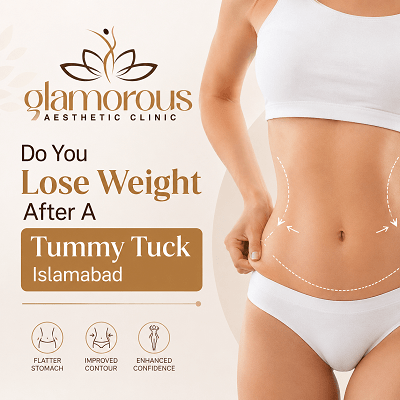
People often ask How Long Does Swelling Last After A Tummy Tuck? when they notice that their abdomen still looks swollen after Tummy Tuck Surgery. The answer is that swelling gradually improves rather than disappearing overnight. Most swelling reduces during the first few weeks, but some residual swelling can remain for several months and may take up to a year to fully settle in some cases. Your surgical technique, the extent of the procedure, your body’s healing response and your aftercare can all affect the tummy tuck recovery timeline.
Quick Facts:
- Treatment Name: Tummy tuck or abdominoplasty
- Treatment Type: Surgical abdominal contouring procedure
- Main Purpose: Removes excess abdominal skin and fat and may repair weakened or separated abdominal muscles
- Anesthesia: Usually general anesthesia
- Treatment Time: Often around 2 to 5 hours, depending on the procedure and surgical plan
- Downtime: Most people need several weeks for recovery and activity restrictions
- Initial Swelling: Usually most noticeable during the early recovery period
- Swelling Improvement: Swelling gradually decreases over the first several weeks and months
- Full Swelling Resolution: Residual swelling can continue for several months and sometimes up to a year
- Compression Garment: Your surgeon may recommend one during recovery to support the abdomen and help control swelling
- Common Concerns: Swelling, bruising, soreness, tightness, numbness and temporary fluid accumulation
- Follow Up: Follow up appointments help your surgeon monitor healing and address concerns
How Long Does Swelling Last After a Tummy Tuck?
The tummy tuck swelling is commonly observed for the first few weeks, but the swelling may persist for months if it is small.The swelling from a tummy tuck will be most apparent during the first few days and weeks. As your body recovers, the swelling gradually subsides and the outline of your belly can be seen. For some, results can be seen in the first month and for others, it may last for several months. ASPS guidance states that swelling may persist for many months and some specialist guidance reports swelling that lasts for up to one year. This distinction illustrates why it is essential that no single swelling time frame exists for everyone.
What Does Swelling Look Like Immediately After a Tummy Tuck?
Immediately after tummy tuck surgery, your abdomen will usually look swollen and may feel tight or uncomfortable. This happens because your body responds naturally to surgery and begins the healing process. Your abdomen may appear:
- Swollen
- Tight
- Firm
- Bruised
- Uneven during early healing
- Larger than you expected
You may also find it difficult to stand completely straight during the first part of recovery because the abdominal tissues feel tight. These early changes do not necessarily show your final tummy tuck results
When Does Tummy Tuck Swelling Start to Go Down?
Tummy tuck swelling usually starts to improve gradually after the early recovery period.Your swollen and bruised skin may be quite visible for the first 1 to 2 weeks. The movement might also be uncomfortable and your surgeon may suggest that you take short walks but try to avoid strenuous activity.
Swelling normally subsides in the weeks to come. At about 6 weeks, if recommended by the surgeon, most individuals are able to return to more normal activities. But it doesn’t mean that all swelling has gone.
Can Swelling Last for Months After a Tummy Tuck?
Yes. Localized swelling after a tummy tuck may only last for a few months. Your tummy might feel flatter in the morning and more full towards the evening. Swelling may be more prominent during recovery from activity. Just because there is swelling remaining doesn’t necessarily mean there is a problem. Your tissues post-recovery settle and heal. Surgeons suggest swelling may actually last for 6 months or more and in some instances up to a year.
Reasons for Swelling After a Tummy Tuck:
Swelling occurs as a reaction to the changes that have occurred during surgery and the body begins to repair the area that has been treated. In the course of the tummy tuck, the surgeon will remove the excess skin and might also take care of some fat, as well as tighten or repair the abdominal wall if essential. These changes cause a normal inflammatory response during healing. An excess of fluid may also collect in your body around the surgical site for a short period of time. Sometimes fluid can accumulate under the skin and create a seroma, which will need evaluation by your surgical team.
What Factors Affect Tummy Tuck Swelling?
Several factors can influence how long swelling after tummy tuck remains:
- Type of tummy tuck
- Extent of abdominal correction
- Whether muscle repair takes place
- Whether liposuction accompanies the procedure
- Your individual healing response
- General health
- Post surgical activity
- Following your surgeon’s instructions
- Use of a compression garment when recommended
- Development of fluid accumulation or other complications
A more extensive procedure can require a longer recovery period. This explains why one person may see their swelling settle faster than another person undergoing a similar abdominoplasty procedure
Can a Compression Garment Reduce Tummy Tuck Swelling?
Your surgeon may recommend a compression garment after tummy tuck surgery.A compression garment can provide support and help to control swelling during tissue recovery. This varies depending on the type of surgery and what your surgeon recommends but is typically a garment and the amount of time to wear it
Do not try to make swelling go away more quickly by wearing a tighter garment. Instead, follow the special instructions provided by your surgical team.
Ways To Manage Swelling During Tummy Tuck Recovery
Good tummy tuck aftercare can support a smoother recovery. Your surgeon may recommend:
- Taking short walks as advised
- Avoiding strenuous exercise during early recovery
- Avoiding heavy lifting until your surgeon clears you
- Wearing a compression garment if recommended
- Keeping your surgical area clean and cared for as instructed
- Attending scheduled follow up appointments
- Taking prescribed medicines according to instructions
- Giving your body enough time to heal
When Is Tummy Tuck Swelling Not Normal?
Some swelling remains expected after surgery, but sudden or worsening swelling can require medical assessment. Contact your surgical team if you notice:
- Sudden or rapidly increasing swelling
- Severe or increasing pain
- Significant redness or warmth around the wound
- Pus or unusual discharge
- Fever
- Heavy bleeding
- A new area of swelling that concerns you
- Difficulty breathing or other serious symptoms
A fluid collection, bleeding, infection or blood clot can occur after surgery and requires appropriate medical evaluation. Do not try to diagnose the cause of unusual swelling yourself
Does Swelling Affect Tummy Tuck Results?
Yes. Swelling can temporarily hide the final abdominal contour after surgery.Your belly might appear bigger or flatter in the early recovery phase than it will after the swelling subsides. The outline becomes more apparent as the tissues heal.
That is why it is important not to evaluate final tummy tuck results too soon. Healing may continue after you get back to your normal day to day routine and the leftover swelling may take much longer to disappear entirely.
What Is the Tummy Tuck Recovery Timeline?
Every recovery develops differently, but a general tummy tuck recovery timeline may look like this:
- First 1 – 2 Weeks: Swelling, bruising, tightness and discomfort are usually more noticeable. Movement remains limited, although gentle walking can help with circulation when your surgeon recommends it
- Weeks 3 – 4: Bruising and swelling usually continue to decrease. People with less physically demanding work may begin returning to work depending on their recovery and the surgeon’s advice
- Weeks 5 – 6: Many people experience noticeable improvement and gradually return to more activities. Heavy lifting and strenuous exercise may still remain restricted
- Several Months: Residual swelling continues to settle and the abdominal contour becomes more defined
- Up to 6 – 12 Months: Some people continue to experience small amounts of swelling while the tissues complete the healing process. The exact timeline varies between individuals
Why Choose Glamorous Aesthetic Clinic for Tummy Tuck?
Choosing tummy tuck surgery in Islamabad involves more than looking at the expected change in your abdomen. At Glamorous Aesthetic Clinic, the consultation focuses on understanding your concerns, abdominal structure, surgical goals and recovery expectations before discussing an appropriate approach. Our approach includes:
- Discussion of your body contouring goals
- Assessment of abdominal skin and tissue
- Review of relevant medical history
- Discussion of suitable tummy tuck options
- Individualized surgical planning
- Clear explanation of the procedure
- Discussion of expected recovery and swelling
- Guidance about post surgical care
- Follow up appointments to monitor healing
Final Thoughts:
So, How Long Does Swelling Last After A Tummy Tuck? Swelling usually improves considerably during the first several weeks, but smaller amounts can remain for several months. In some cases, the final swelling can take up to a year to fully settle.The important thing to remember is that early swelling does not show the final shape of your abdomen. Your body needs time to heal, tissues need time to settle and your tummy tuck results become clearer as recovery progresses.
If your swelling suddenly increases, becomes painful or comes with redness, fever, unusual discharge or other concerning symptoms, contact your surgical team rather than waiting for it to settle on its own.
FAQ.S OF How Long Does Swelling Last After A Tummy Tuck:
Is Swelling Normal After Tummy Tuck Surgery?
Yes. Swelling is a common part of tummy tuck recovery because your body responds to the surgical changes and begins the healing process.
When Does Swelling Go Down After a Tummy Tuck?
Most noticeable swelling gradually decreases during the first few weeks. Smaller amounts can continue to settle over the following months.
Can Tummy Tuck Swelling Last 6 Months?
Yes. Residual tummy tuck swelling can last six months or longer in some people. Healing speed varies according to the procedure and individual recovery.
Can Tummy Tuck Swelling Last a Year?
Yes. Some people can experience residual swelling for up to a year, particularly while the tissues continue to heal and settle.
Does a Compression Garment Help With Tummy Tuck Swelling?
A surgeon may recommend a compression garment to support the abdomen and help control swelling during recovery. Follow your surgeon's instructions about the garment and how long to wear it.
Can Swelling Make My Stomach Look Uneven After a Tummy Tuck?
Yes. Temporary swelling can make the abdomen appear uneven or less defined during early healing. Persistent or suddenly worsening asymmetry should receive medical assessment.
What Causes Fluid to Build Up After a Tummy Tuck?
Surgery can sometimes lead to a collection of fluid beneath the skin called a seroma. Your surgical team can assess and manage a suspected fluid collection when necessary.
When Should I Worry About Swelling After a Tummy Tuck?
Contact your surgical team if swelling suddenly increases or comes with severe pain, redness, warmth, fever, unusual discharge, heavy bleeding or other unexpected symptoms.
Can I Get a Tummy Tuck at Glamorous Aesthetic Clinic in Islamabad?
Yes. You can schedule a consultation at Glamorous Aesthetic Clinic to discuss your abdominal concerns, tummy tuck goals, suitable surgical options, expected recovery and the factors that can affect your individual results.
Schedule Your Consultation Today!
If you’re considering tummy tuck surgery in Islamabad or you’re concerned about swelling during recovery, the first step is to speak with a qualified surgical team. At Glamorous Aesthetic Clinic, your concerns, abdominal anatomy, treatment goals and expected recovery can be discussed before you decide whether abdominoplasty suits you. Understanding the normal tummy tuck healing process can make recovery easier because you know what changes to expect and when you should seek professional advice.

Dr.Annas Sani

Introduction: Dr. Annas Sani is a highly motivated and compassionate physician with a strong background in internal medicine, general practice...
View Profile
Dr. Mehwish Asad
Introduction: Dr. Mehwish Asad is an Aesthetic and General Surgeon, a motivated and hardworking specialist, enthusiastic about medical services...
View Profile
Dr. Ahmed Ali
At our clinic we introduce you to our certified and professional Dr Nadia Tariq, a well known plastic and reconstructive surgeon and aesthetician...
View Profile
Dr. Nadia Tariq
At our clinic we introduce you to our certified and professional Dr Nadia Tariq, a well known plastic and reconstructive surgeon and aesthetician...
View Profile
Dr. Fabiha Abid
We proudly introduce you to our certified and highly skilled Dr. Fabiha Abid, a renowned physiotherapist and aesthetician providing...
View Profile
Dr. Sabeela Imran
Dental Surgeon (BDS) | PMDC Registered: Dr. Sabeela Imran is a patient-friendly dental surgeon who is passionate about...
View Profile
Dr. Samra Liaquat
At our Glamorous Clinic, we proudly announce our medical professional Dr. Samra Liaquat, an experienced dental surgeon and aesthetic...
View Profile
Dr. Zala Ejaz
Introducing Dr. Zala Ejaz – a highly skilled and trained Dermatologist and Aesthetic Physician with extensive clinical experience in diagnosing...
View Profile
Dr. Rabia Qazi
Aesthetic Doctor | GMC Registered | NHS Doctor Dr. Rabia Qazi is a highly qualified aesthetic physician dedicated to delivering...
View Profile
Dr. Abida Sardar
Meet Dr. Abida Sardar—the Consultant Dermatologist and Aesthetic Physician at Glamorous Aesthetic Clinic Islamabad. With more than 19 years of...
View Profile
Dr. Muqaddas Mahnoor
Doctor of Physical Therapy (DPT) | Cardiac Perfusion Technology Student | Science Educator Dr Muqaddas Mahnoor at Glamorous Aesthetic Clinic...
View Profile
Dr. Mahrukh Ali
Dentist | Aesthetic Physician. Dr. Mahrukh Ali is an expert dentist and aesthetician with experience in general dentistry and aesthetic treatments.
View Profile