Skip to content

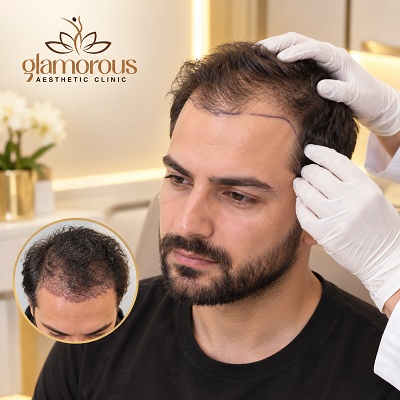


After witnessing a strange hairline, unsuccessful growth, or scarring and lose hair after a transplant, individuals ask Can a Failed Hair Transplant Be Repaired in Islamabad? There is good news for people who have had unsuccessful or substandard hair transplants; some can be enhanced through a well thought out Hair Transplant repair. But not everyone’s repair is the same, though. What a surgeon can achieve is determined by the available hair, the condition of the scalp, the previous surgical technique, remaining hair and the type of problem.
Quick Facts:
- Treatment Name: Hair transplant repair or revision hair transplant
- Treatment Type: Corrective hair restoration surgery
- Main Purpose: Improves selected problems caused by a previous hair transplant
- Common Concerns: Unnatural hairline, poor density, misplaced grafts, visible scarring and overharvesting
- Techniques: FUE, FUT or a combination depending on the individual case
- Anesthesia: Usually local anesthesia, depending on the planned procedure
- Treatment Time: Varies according to the number of grafts and complexity of repair
- Downtime: Recovery varies according to the extent of corrective surgery
- Results: Improvement develops gradually as transplanted follicles grow
- Donor Hair: The remaining donor supply plays an important role in repair
- Number of Procedures: Some complex cases require more than one corrective procedure
- Follow Up: Follow up helps the surgeon monitor healing, growth and the need for further treatment
Can a Failed Hair Transplant Be Repaired?
Yes, there are cases of hair transplant failures that can be fixed and/or enhanced with revision surgery.A previous hair transplant does not automatically mean that you need another transplant. The first step is for the qualified hair restoration surgeon to understand why the outcome is less than desired. There are some people who undergo an unnatural hairline or poor density due to the placement of the graft and there are others who lose their original hair around the grafts. Other issues may include scars from the donor site or too many grafts taken out.
The repair plan will be determined by the issue and the donor hair that is left. In some situations, the surgeon is able to move specific grafts and also incorporate new ones to enhance density as well as smooth the unnatural hairline. In other instances, there is only a small number of hairs to work with or the scars are so large that more surgery may be challenging or inappropriate.
What Does a Failed Hair Transplant Look Like?
A bad hair transplant doesn’t necessarily mean that all the follicles that were put in were unsuccessful. In some cases, the hair grows but the overall look is unnatural or the hair does not match the other hair. Common signs of a poor or unsatisfactory transplant include:
- An unnaturally low or straight hairline
- Hair grafts placed at an unnatural angle
- Uneven or patchy hair growth
- Poor density in the transplanted area
- Large or visibly clumped grafts
- Hair placed in an inappropriate area
- Visible scalp scarring
- A thin or overharvested donor area
- Continued hair loss around transplanted hair
- A result that looks noticeably different from natural hair
Why Does a Hair Transplant Fail?
There are a number of reasons for the hair transplant to fail. Planning for the hair transplant and surgical technique is important. Grafts require special placement, direction and distribution to achieve a natural look. If the hairline is improperly designed, the angle of the graft and its location can make the transplanted hair appear artificial.
Progressive Hair Loss Treatment is another problem. This individual might get a decent outcome at first but over time lose his or her natural hair. This can result in a distinct contrast between thinned areas and transplants. When the donor supply that remains will support additional treatment, a surgeon will recommend it.
The area from which the skin is being removed is also a factor. If a person harvests too much during the FUE process, they may get noticeable thinning or a moth eaten effect and if it is not performed properly, it can play a role in widening the scar. When the supply of hair from the donor area is limited, the hair transplant repair is difficult.
How Is a Failed Hair Transplant Repaired?
The repair approach depends on what went wrong during the previous procedure.A surgeon may consider one or more of the following approaches:
- Removing selected poorly positioned grafts
- Repositioning suitable grafts
- Adding new grafts to areas with low density
- Rebuilding or softening an unnatural hairline
- Improving the transition between transplanted and natural hair
- Addressing selected donor area concerns
- Using FUE or FUT when clinically appropriate
- Considering non surgical camouflage for certain scars or low density areas
Some removed grafts may remain suitable for transplantation, depending on their condition and the surgical plan. Modern FUE hair transplant techniques can also allow selective removal of certain unnatural grafts in appropriate cases
Factors That Affect Hair Transplant Repair:
Several factors can influence whether hair transplant repair can produce a meaningful improvement:
- Amount of remaining donor hair
- Condition of the donor area
- Degree of donor area scarring
- Number of previous hair transplant procedures
- Type of previous procedure, such as FUE or FUT
- Position and design of the existing hairline
- Placement and direction of previous grafts
- Existing hair density
- Progression of underlying hair loss
- Scalp condition
- Patient expectations
- Number of grafts required for correction
The amount of donor hair often becomes one of the biggest limitations in revision surgery. A person who has already undergone several procedures may have fewer options than someone seeking their first transplant
What Is the Hair Transplant Repair Recovery Like?
The recovery will depend on the revision hair transplant that has been performed.A smaller corrective procedure will involve less recovery than a more complex repair with a greater number of grafts or graft removal. Around the treated areas, there will be temporary redness, swelling, tenderness, scabbing or sensitivity.
Your surgeon will provide specific instructions for washing the scalp, protecting the treated area and returning to exercise or other activities. These instructions aid in easy recovery.
It also takes time for the transplanted hair to grow. Early changes should not be equated with the final outcome; therefore, the success of a repair should not be evaluated right after surgery.
Can a Failed Hair Transplant Be Completely Reversed?
Not always.The goal of a successful hair transplant repair should be to enhance the appearance, not restore it to the scalp’s natural state. This is particularly true if there was extensive scarring or if a large number of hairs was taken in the previous procedure.
However, in some complicated repair cases, multiple surgeries may be necessary, and in cases where an area is too depleted, additional surgery may be difficult or impossible.
This is why it’s important to set realistic expectations. Before recommending corrective surgery, it is important to have a qualified surgeon discuss what improvement is still unlikely to be achieved.
When Should You Consider Hair Transplant Repair?
You may consider a hair transplant correction consultation if you notice:
- An unnatural or overly low hairline
- Poor or uneven hair growth
- Visible grafts
- Hair growing in the wrong direction
- Low density despite previous transplantation
- Patchy transplanted areas
- Visible donor-area thinning
- Noticeable donor-area scarring
- Continued hair loss around transplanted hair
- Dissatisfaction with the overall appearance
Why Choose Glamorous Aesthetic Clinic for Hair Transplant Repair?
Choosing hair transplant repair requires more than simply finding a clinic that offers another transplant. Revision cases need careful assessment because the previous surgery has already changed the donor and recipient areas. At Glamorous Aesthetic Clinic, the consultation focuses on understanding your previous procedure, current hair loss, donor area condition and concerns before discussing possible corrective options. Our approach includes::
- Review of your previous hair transplant
- Assessment of the donor and recipient areas
- Evaluation of hair density and existing growth
- Discussion of your main concerns
- Assessment of possible scarring or overharvesting
- Review of available donor hair
- Discussion of suitable repair options
- Realistic discussion of expected improvement
- Individualized treatment planning
- Follow up guidance during recovery
Final Thoughts:
So, Can A Failed Hair Transplant Be Repaired? In many cases, a poor or unnatural hair transplant can improve with carefully planned hair transplant repair. The available options depend heavily on the condition of your scalp, remaining donor hair, previous surgery, ongoing hair loss and the specific problem you want to correct.
An unnatural hairline, poor density, misplaced grafts and selected donor area problems may have corrective options. However, severe donor depletion or extensive scarring can significantly limit what another procedure can achieve.
The most important step involves getting an individual assessment before deciding on another surgery. Repair work differs from a first time hair transplant and the surgeon needs to understand the previous procedure before creating a new plan.
FAQ,S OF Can a Failed Hair Transplant Be Repaired:
Can an Unnatural Hairline Be Fixed After a Hair Transplant?
Yes, poorly placed grafts can sometimes be removed or repositioned while new grafts can create a more natural looking hairline.
Can a Bad FUE Hair Transplant Be Repaired?
Sometimes, revision surgery can address poor graft placement, low density, an unnatural hairline or donor area thinning.
Can Overharvesting From a Hair Transplant Be Fixed?
Overharvesting can be challenging to correct, but selected cases may benefit from additional grafting or camouflage techniques.
Can Failed Hair Grafts Be Removed?
Yes, a surgeon can sometimes remove improperly positioned grafts and, in suitable cases, reposition them.
Does Hair Transplant Repair Require More Than One Surgery?
Sometimes, complex revision cases may require multiple procedures to achieve a satisfactory improvement.
Can Hair Transplant Repair Restore My Original Hairline?
Not always, as the outcome depends on available donor hair, scalp condition, scarring and the extent of previous surgery.
Why Does My Hair Transplant Look Patchy Years Later?
Ongoing genetic hair loss can thin the natural hair around transplanted areas, making the overall result appear patchy.
How Much Does Failed Hair Transplant Repair Cost in Islamabad?
The cost varies based on graft requirements, surgical complexity, donor hair availability, scarring, and the corrective techniques involved.
Can I Get Hair Transplant Repair at Glamorous Aesthetic Clinic in Islamabad?
Yes, you can consult Glamorous Aesthetic Clinic in Islamabad to assess your previous transplant and discuss suitable repair options.
Schedule Your Consultation Today!
If you are unhappy with a previous hair transplant and want to explore hair transplant repair, the first step is a professional consultation. At Glamorous Aesthetic Clinic, your previous transplant, current hair growth, donor area, scalp condition and treatment goals can be reviewed before discussing whether corrective hair restoration suits youg

Dr.Annas Sani

Introduction: Dr. Annas Sani is a highly motivated and compassionate physician with a strong background in internal medicine, general practice...
View Profile
Dr. Mehwish Asad
Introduction: Dr. Mehwish Asad is an Aesthetic and General Surgeon, a motivated and hardworking specialist, enthusiastic about medical services...
View Profile
Dr. Ahmed Ali
At our clinic we introduce you to our certified and professional Dr Nadia Tariq, a well known plastic and reconstructive surgeon and aesthetician...
View Profile
Dr. Nadia Tariq
At our clinic we introduce you to our certified and professional Dr Nadia Tariq, a well known plastic and reconstructive surgeon and aesthetician...
View Profile
Dr. Fabiha Abid
We proudly introduce you to our certified and highly skilled Dr. Fabiha Abid, a renowned physiotherapist and aesthetician providing...
View Profile
Dr. Sabeela Imran
Dental Surgeon (BDS) | PMDC Registered: Dr. Sabeela Imran is a patient-friendly dental surgeon who is passionate about...
View Profile
Dr. Samra Liaquat
At our Glamorous Clinic, we proudly announce our medical professional Dr. Samra Liaquat, an experienced dental surgeon and aesthetic...
View Profile
Dr. Zala Ejaz
Introducing Dr. Zala Ejaz – a highly skilled and trained Dermatologist and Aesthetic Physician with extensive clinical experience in diagnosing...
View Profile
Dr. Rabia Qazi
Aesthetic Doctor | GMC Registered | NHS Doctor Dr. Rabia Qazi is a highly qualified aesthetic physician dedicated to delivering...
View Profile
Dr. Abida Sardar
Meet Dr. Abida Sardar—the Consultant Dermatologist and Aesthetic Physician at Glamorous Aesthetic Clinic Islamabad. With more than 19 years of...
View Profile
Dr. Muqaddas Mahnoor
Doctor of Physical Therapy (DPT) | Cardiac Perfusion Technology Student | Science Educator Dr Muqaddas Mahnoor at Glamorous Aesthetic Clinic...
View Profile
Dr. Mahrukh Ali
Dentist | Aesthetic Physician. Dr. Mahrukh Ali is an expert dentist and aesthetician with experience in general dentistry and aesthetic treatments.
View Profile