Skip to content


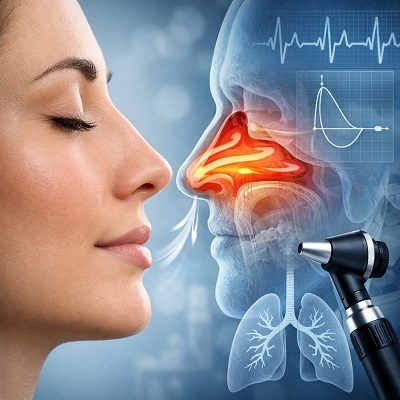
Most people think of rhinoplasty as a nose job, that is, altering the shape or size of the nose. However, one of the most important questions people ask is, Can rhinoplasty improve breathing?” Yes, in certain instances. In cases where either structural problems within or around the nose impede breathing, Rhinoplasty for breathing difficulties may help. When you understand the limitations and possibilities of nose surgery, you can have realistic expectations. Not all breathing issues will benefit from rhinoplasty and surgery will only improve the situation if there is a good structural cause to the obstruction.
Can Rhinoplasty Help With Breathing Problems?
Yes, nose surgery for breathing problems can improve airflow when the difficulty results from a structural issue that surgery can correct.
The nose contains several structures that influence how easily air moves through the nasal passages. If these structures become narrowed, bent, weakened or damaged, airflow can become restricted. Depending on the cause, surgery may improve:
- Nasal airflow
- Breathing through the nose
- Structural narrowing
- Nasal valve support
- Selected changes caused by injury
- Breathing difficulties associated with nasal deformity
However, rhinoplasty does not treat every cause of nasal congestion. Allergies, infections and some inflammatory conditions can also cause breathing difficulties and may require medical treatment instead of surgery
What Causes Breathing Problems Through the Nose?
Several conditions can make it difficult to breathe comfortably through the nose.
- Deviated Septum:
The nasal septum is the wall of cartilage and bone that separates the two sides of the nose. If it bends significantly to one side, it can narrow a nasal passage and contribute to obstruction. A procedure called septoplasty specifically straightens or corrects the deviated septum to improve airflow
- Nasal Valve Problems:
The nasal valve represents one of the narrowest parts of the nasal airway. Weakness or narrowing in this area can restrict airflow, especially during deep breathing. Nasal valve collapse can develop because of natural anatomy, previous surgery, ageing or injury. Functional rhinoplasty may use structural techniques to improve support in suitable cases
- Previous Nose Injury:
A broken or injured nose can change the position of the nasal bones or internal structures. Even after the visible injury heals, structural changes may continue to affect breathing. Surgery may help correct selected post injury deformities when they contribute to persistent obstruction
- Structural Narrowing:
Some people naturally have narrow nasal passages or structural features that limit airflow. A professional assessment can determine whether surgery may improve the airway
What Is Functional Rhinoplasty?
Rhinoplasty, also known as nose surgery, that improves the nasal passage is a functional rhinoplasty.
This process may involve altering some aspects of the body that act to impact on the flow of air. These surgeons can alleviate folds and make room in specific portions of the nose.
The major difference between purely cosmetic and functional rhinoplasty is that purely cosmetic surgery is centered on enhancing the nose’s appearance, while functional surgery deals with the performance of the nose. Sometimes, both objectives can be accomplished in the same procedure. The method will vary depending upon the person’s physiology and the cause of the breathing problem.
Is Functional Rhinoplasty the Same as Septoplasty?
No. Septoplasty and functional rhinoplasty are similar surgeries, but they’re not synonymous.
The major concern of a septoplasty is the correction of the deviated nasal septum. It is designed to fix the internal wall partition between the two nostrils in order to enhance breathing.Structural issues other than the septum can be corrected with functional rhinoplasty, such as nose valve problems and airway issues that are not related to the nasal septum.
Some people might only require septoplasty and others may require functional rhinoplasty or both. A thorough examination of the nose will provide useful information for deciding how best to proceed.
Can Cosmetic Rhinoplasty Also Improve Breathing?
Yes, but only when the surgical plan specifically considers nasal function.
Changing the external appearance of the nose without protecting the airway can potentially affect breathing. For this reason, a surgeon should carefully evaluate both appearance and function when planning nose reshaping surgery. In some cases, a procedure can combine cosmetic changes with functional correction. This approach may improve:
- Nasal appearance
- Facial balance
- Septal alignment
- Nasal airflow
- Structural support
The possibility of combining cosmetic and functional goals depends on the individual’s anatomy and treatment requirements
What Results Can You Expect From Functional Rhinoplasty?
The main goal of rhinoplasty for breathing problems is to improve nasal airflow when a correctable structural issue causes the obstruction. Possible outcomes include:
- Easier breathing through the nose
- Improved nasal airflow
- Reduced feeling of structural blockage
- Better support of weakened nasal structures
- Correction of selected injury related changes
- Improvement in breathing during daily activities
- Functional and cosmetic improvement when both concerns are addressed
Results vary according to the original cause of obstruction, nasal anatomy and individual healing. Breathing may not improve immediately right after surgery because temporary swelling and congestion can initially block the nasal passages
How Long Does Recovery Take?
The recovery period following a functional rhinoplasty will depend on the type of surgery performed. Swelling and congestion are normal after nose surgery. This usually takes between 1 and 2 weeks off of social life and normal work depending on the process and healing. The swelling may persist for weeks or months after the tissues have had a chance to recover from the treatment and interfere with breathing through the nose. Your nose’s external appearance could also gradually improve over many months following rhinoplasty.
After surgery, it is crucial to follow the instructions provided and attend all follow up appointments to ensure proper healing and monitoring.
What Affects Rhinoplasty Results?
The final outcome of functional rhinoplasty can depend on:
- The cause of nasal obstruction
- Severity of the structural problem
- Nasal anatomy
- Previous injuries
- Previous nasal surgery
- Skin thickness
- Healing response
- Surgical technique
- Cartilage support requirements
- Postoperative care
These factors explain why each procedure requires an individual treatment plan
Rhinoplasty and Long Term Breathing Improvement:
If surgery is successful in fixing the structural problem which is causing the obstruction, the improvement can last for a long time.
But not all future breathing problems can be prevented with surgery. Nasal congestion can still happen as a result of all types of allergies, colds and sinus inflammation and other medical problems, either temporarily or permanently.
That is why it is still important to determine what is causing your symptoms prior to surgery.If the blockage is mainly due to the structure of the nose, a nose operation for breathing difficulties can give you a long term improvement. If the symptoms are due to another condition, medical treatment might be more appropriate.
Who May Be Suitable for Rhinoplasty for Breathing Problems?
A professional assessment may be useful for individuals who experience:
- Persistent difficulty breathing through the nose
- A known or suspected deviated septum
- Breathing problems following a nose injury
- A feeling of blockage on one or both sides
- Difficulty breathing due to structural narrowing
- Symptoms related to possible nasal valve weakness
- Both cosmetic and functional concerns about the nose
A proper examination is necessary because breathing difficulties can have many causes
Why Choose Glamorous Aesthetic Clinic For for Rhinoplasty?
Choosing rhinoplasty begins with understanding whether your breathing difficulty has a structural cause that surgery can address. At Glamorous Aesthetic Clinic, our approach includes:
- Professional assessment of your concerns
- Discussion of nasal breathing difficulties
- Evaluation of aesthetic and functional goals
- Individualized surgical planning
- Clear explanation of the recommended approach
- Realistic discussion about expected results
- Preoperative guidance
- Postoperative care instructions
- Follow up monitoring during recovery
A detailed consultation helps determine whether functional nose surgery may suit your individual needs
Final Thoughts:
So, Can Rhinoplasty Improve Breathing? Yes, it may be beneficial if there is a structural issue just inside or just outside the nose that makes it hard to breathe. Functional rhinoplasty or septoplasty may be necessary for conditions like a deviated septum, weakness or damage to the nasal valve.
But not all conditions of nasal congestion can be corrected by rhinoplasty. Certain allergies and inflammatory disorders may necessitate other types of medical treatment. A professional evaluation at the Glamorous Aesthetic Clinic can determine if there is a structural problem that may be causing your symptoms or if surgery is a viable option to improve your nose.
FAQ,S OF Rhinoplasty for Breathing Problems: Can Nose Surgery Help:
Is Rhinoplasty the Same as Septoplasty?
No, septoplasty corrects the nasal septum, while functional rhinoplasty can address additional structural causes of obstruction.
Can a Deviated Septum Cause Breathing Problems?
Yes, a significantly deviated septum can narrow one or both nasal passages and restrict airflow.
Can Cosmetic Rhinoplasty Affect Breathing?
Yes, cosmetic nose surgery can affect airflow, which is why proper functional assessment and surgical planning are important.
What Is Functional Rhinoplasty?
Functional rhinoplasty is nose surgery designed to improve nasal structure and breathing function.
Can Rhinoplasty Fix Nasal Valve Collapse?
Functional rhinoplasty may improve selected cases of nasal valve weakness or collapse by restoring structural support.
Will I Breathe Better Immediately After Rhinoplasty?
Not necessarily, because temporary swelling and congestion can initially affect airflow during early recovery.
How Long Does Functional Rhinoplasty Recovery Take?
Initial recovery often takes around 1 to 2 weeks, while internal healing and swelling can continue for longer.
Are Rhinoplasty Results Permanent?
Structural improvements can be long lasting, although natural ageing and other nasal conditions can still affect breathing over time.
Why Choose Glamorous Aesthetic Clinic for Rhinoplasty in Islamabad?
Glamorous Aesthetic Clinic provides professional assessment, individualized planning and realistic guidance for cosmetic and functional nasal concerns.
Schedule Your Consultation Today!
If it is difficult to breathe through your nose and you feel your nose shape is a problem, the first thing to do is to consult with a professional. At Glamorous Aesthetic Clinic, we will discuss your breathing concerns and your specific needs then give you a clear idea of the best options for rhinoplasty. Don’t wait, make an appointment today and begin your journey to find your nasal breathing and treatment answers.

Dr.Annas Sani

Introduction: Dr. Annas Sani is a highly motivated and compassionate physician with a strong background in internal medicine, general practice...
View Profile
Dr. Mehwish Asad
Introduction: Dr. Mehwish Asad is an Aesthetic and General Surgeon, a motivated and hardworking specialist, enthusiastic about medical services...
View Profile
Dr. Ahmed Ali
At our clinic we introduce you to our certified and professional Dr Nadia Tariq, a well known plastic and reconstructive surgeon and aesthetician...
View Profile
Dr. Nadia Tariq
At our clinic we introduce you to our certified and professional Dr Nadia Tariq, a well known plastic and reconstructive surgeon and aesthetician...
View Profile
Dr. Fabiha Abid
We proudly introduce you to our certified and highly skilled Dr. Fabiha Abid, a renowned physiotherapist and aesthetician providing...
View Profile
Dr. Sabeela Imran
Dental Surgeon (BDS) | PMDC Registered: Dr. Sabeela Imran is a patient-friendly dental surgeon who is passionate about...
View Profile
Dr. Samra Liaquat
At our Glamorous Clinic, we proudly announce our medical professional Dr. Samra Liaquat, an experienced dental surgeon and aesthetic...
View Profile
Dr. Zala Ejaz
Introducing Dr. Zala Ejaz – a highly skilled and trained Dermatologist and Aesthetic Physician with extensive clinical experience in diagnosing...
View Profile
Dr. Rabia Qazi
Aesthetic Doctor | GMC Registered | NHS Doctor Dr. Rabia Qazi is a highly qualified aesthetic physician dedicated to delivering...
View Profile
Dr. Abida Sardar
Meet Dr. Abida Sardar—the Consultant Dermatologist and Aesthetic Physician at Glamorous Aesthetic Clinic Islamabad. With more than 19 years of...
View Profile
Dr. Muqaddas Mahnoor
Doctor of Physical Therapy (DPT) | Cardiac Perfusion Technology Student | Science Educator Dr Muqaddas Mahnoor at Glamorous Aesthetic Clinic...
View Profile