Skip to content



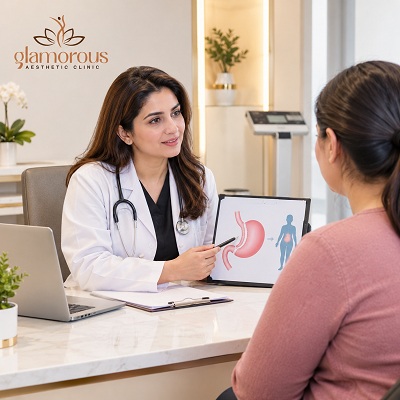
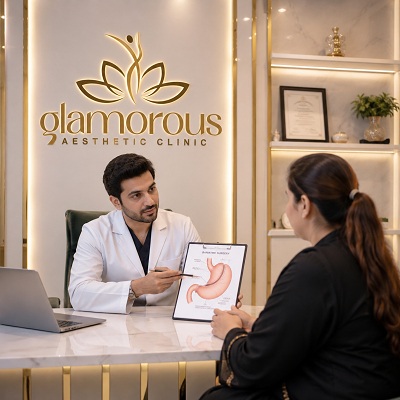
People are often asking themselves one question when they are thinking about undergoing bariatric surgery for weight loss: Which Bariatric Surgery Is Less Invasive? This will depend on what you mean by less invasive. You should also be aware that the simpler the procedure, that’s not necessarily the best procedure for you. Personal weight, medical history, surgical history, diet and lifestyle habits and your weight loss goals over the long term can all affect which treatment is right for you. It is important to have a detailed assessment so that the choice of option can be made based on your individual needs.
Which Bariatric Surgery Is Less Invasive?
The most significant of the different types of bariatric surgery is the sleeve gastrectomy, which is generally less complex than gastric bypass surgery as it does not involve the small intestine.In a sleeve gastrectomy, a big section of the stomach is removed, and the remaining stomach is smaller, which enables it to hold less food. The gastric bypass surgery makes a small stomach pouch and redirects the food to go through the other part of the small intestine.
Neither should be considered minor surgery; both are major medical procedures. Less invasive does not mean there are no risks; rather it refers to the amount of anatomical change and surgical difficulty involved.
What Is Sleeve Gastrectomy?
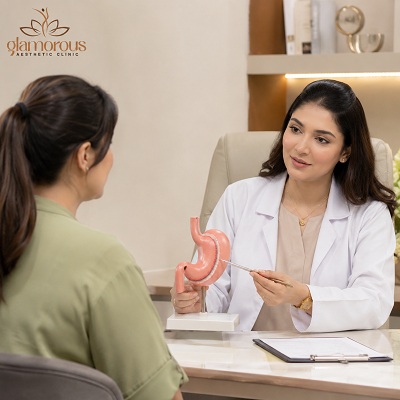
Sleeve gastrectomy is a weight loss surgery that cuts off the stomach. The surgeon takes away a big part of the stomach and forms a small tube-shaped stomach.The smaller stomach limits the amount of food it can hold, which can help you feel full with smaller meals. Some hormones that help control the sensation of hunger and satiety are also involved in this procedure.A factor to consider is that sleeve surgery does not create a connection between the stomach and small intestine, which is the case with gastric bypass.
Sleeve gastrectomy, however, is a surgical procedure that alters the stomach forever and may carry risks, such as bleeding, infection, reflux and leaks. The suitability will be based on your own health and weight loss requirements.
What Is Gastric Bypass?
Gastric bypass surgery involves making a small stomach pouch and then rerouting it to another part of the small intestine. It alters the capacity of the stomach and the pathway of food within the digestive tract. The surgery is more complex than sleeve gastrectomy, since it makes changes to the stomach and small intestine.
Gastric bypass may be able to provide significant weight loss and may be a benefit to appropriate individuals with metabolic abnormalities. The additional intestinal changes can also cause nutritional changes; however, long term nutritional monitoring is still important.
Sleeve Gastrectomy vs Gastric Bypass:
The main difference between these two procedures is how much of the digestive system the surgery changes.
Sleeve gastrectomy:
- Removes a large portion of the stomach
- Leaves the small intestine unchanged
- Reduces stomach capacity
- Does not require an intestinal connection
- Can provide significant weight loss
- May cause or worsen acid reflux in some people
Gastric bypass:
- Creates a smaller stomach pouch
- Changes the pathway of food through the small intestine
- Requires intestinal connections
- Can affect calorie and nutrient absorption
- Can provide significant weight loss
- Requires attention to vitamin and mineral intake
Neither option is universally better. The appropriate procedure depends on your health, goals and individual circumstances
Is Sleeve Gastrectomy Less Invasive Than Gastric Bypass?
Yes, sleeve gastrectomy is less complicated than gastric bypass in that there is no intestinal rerouting involved. These procedures can be done laparoscopically, with small incisions in the abdomen, for either or both. The minimally invasive technique may help patients recover with less postoperative pain and potentially a quicker recovery time than standard open surgery would require and may also allow for shorter hospital stays. However, laparoscopic surgery does not make bariatric surgery risk free. Gastric bypass makes changes to both the stomach and small bowel, while sleeve gastrectomy permanently removes part of the stomach.
What Results Can You Expect From Bariatric Surgery?
The results of bariatric surgery vary from person to person. Both sleeve gastrectomy and gastric bypass can support significant weight loss when combined with long term changes in eating habits and physical activity. Possible benefits may include:
- Significant reduction in body weight
- Improved ability to control food intake
- Better blood sugar control in suitable individuals
- Improvement in some obesity related health conditions
- Greater physical mobility
- Improved quality of life
- Long term support for weight management
Your results depend on the procedure selected, starting weight, health conditions, eating habits, physical activity and long term follow through. Bariatric surgery provides a tool for weight management but maintaining the results requires continued lifestyle changes and appropriate follow up
How Long Does Recovery Take?
The length of recovery time varies based on the procedure, surgical technique and your body’s healing time.Recovering from laparoscopic bariatric surgery tends to be quicker than recovery time needed for conventional open surgery. During the initial recovery period, you might experience some discomfort, fatigue, swelling and changes in eating habits.
Your diet will also gradually change post surgery. Usually, liquids are the first step, followed by soft foods and then a normal diet, as prescribed by your surgical team. Routine follow ups can track your recovery, nutrition, weight loss or any issues that may arise after treatment.
What Factors Affect the Choice of Bariatric Surgery?
Several factors can influence which weight loss surgery may be appropriate:
- Your body mass index
- Existing health conditions
- Blood sugar and metabolic health
- History of acid reflux
- Previous abdominal surgery
- Eating patterns
- Weight loss goals
- Nutritional considerations
- Previous weight loss treatments
- Your ability to follow long term dietary guidance
- Your overall health and surgical suitability
These factors explain why two people with similar weight measurements may receive different treatment recommendations
Is Bariatric Surgery Permanent?
Bariatric surgeries result in permanent changes to the body.
This is because during sleeve gastrectomy, a portion of the stomach is permanently removed and with gastric bypass, a connection is created between the stomach and small intestine that is permanently changed. These procedures affect the digestive system, so surgery should be carefully considered, taking into account any long term consequences. Also, weight loss can vary over time. It is important to continue to pay attention to nutrition, physical activity and other recommended lifestyle modifications to maintain benefit.Your healthcare team can discuss the changes that are likely to happen long term before making treatment decisions.
Who May Be Suitable for Bariatric Surgery?
Bariatric surgery may be considered for individuals who:
- Have obesity that meets the criteria for surgical treatment
- Have not achieved sufficient weight loss through lifestyle measures alone
- Have obesity related health concerns
- Are medically suitable for surgery
- Understand the dietary and lifestyle changes required afterward
- Are prepared to attend follow up appointments
- Want a structured long term approach to weight management
Eligibility is not based on weight alone. A professional assessment is necessary to determine whether surgery is suitable for you and which procedure may offer the most appropriate option
Why Choose Glamorous Aesthetic Clinic for Bariatric Surgery?
Choosing bariatric surgery involves more than deciding between a sleeve and a bypass. At Glamorous Aesthetic Clinic, the focus begins with understanding your weight management concerns and determining which treatment approach may be appropriate for your needs. Our approach includes:
- Assessment of your weight management goals
- Review of your relevant health history
- Discussion of suitable bariatric options
- Individualized treatment planning
- Clear explanation of the recommended procedure
- Discussion of expected results and limitations
- Guidance about preparation and recovery
- Post treatment care and follow up
- Support with long term weight management planning
Final Thoughts:
So, Which Bariatric Surgery is Less Invasive? Among the commonly performed surgical options, sleeve gastrectomy generally involves fewer changes to the digestive system than gastric bypass because it does not reroute the small intestine.
However, less invasive does not mean risk free or automatically better. Gastric bypass may offer important benefits for some individuals, while sleeve gastrectomy may suit others. Endoscopic procedures such as endoscopic sleeve gastroplasty offer another category of treatment because they do not require abdominal incisions.
The right choice depends on your health, weight loss goals, medical needs and long term requirements. A professional consultation at Glamorous Aesthetic Clinic can help you understand your available options and make an informed treatment decision.
FAQ,S OF Which Bariatric Surgery Is Less Invasive:
Is Sleeve Gastrectomy Safer Than Gastric Bypass?
Neither procedure is universally safer because each has different benefits, risks and suitability considerations.
Is Gastric Sleeve Surgery Major Surgery?
Yes, sleeve gastrectomy is major surgery because it permanently removes a substantial portion of the stomach.
What Is The Difference Between Gastric Sleeve And Gastric Bypass?
A gastric sleeve reduces stomach size, while gastric bypass reduces stomach capacity and changes the route food takes through the intestine.
Does Sleeve Gastrectomy Involve Intestinal Rerouting?
No, sleeve gastrectomy changes the stomach without creating an intestinal bypass.
Is Endoscopic Sleeve Gastroplasty Less Invasive Than Gastric Sleeve Surgery?
Yes, ESG does not require abdominal incisions because the procedure takes place through an endoscope inserted through the mouth.
Does Bariatric Surgery Provide Permanent Weight Loss?
Bariatric surgery can provide long term weight loss, but maintaining results requires ongoing lifestyle and dietary changes.
How Long Does Recovery From Bariatric Surgery Take?
Recovery varies by procedure and individual healing but minimally invasive surgery generally allows a faster recovery than open surgery.
Can Bariatric Surgery Improve Obesity Related Health Problems?
Yes, bariatric surgery can improve several obesity related conditions, although results vary between individuals.
Which Bariatric Procedure Is Right For Me?
The appropriate procedure depends on your health, weight, medical needs, lifestyle and long term weight management goals.
Schedule Your Consultation Today!
If you are considering bariatric surgery and want to understand which option may suit you, start with a professional assessment. At Glamorous Aesthetic Clinic, your concerns, goals and individual circumstances can be discussed before recommending an appropriate treatment approach. Understanding the differences between sleeve gastrectomy, gastric bypass and less invasive alternatives can help you move forward with realistic expectations and a clearer weight management plan.

Dr.Annas Sani

Introduction: Dr. Annas Sani is a highly motivated and compassionate physician with a strong background in internal medicine, general practice...
View Profile
Dr. Mehwish Asad
Introduction: Dr. Mehwish Asad is an Aesthetic and General Surgeon, a motivated and hardworking specialist, enthusiastic about medical services...
View Profile
Dr. Ahmed Ali
At our clinic we introduce you to our certified and professional Dr Nadia Tariq, a well known plastic and reconstructive surgeon and aesthetician...
View Profile
Dr. Nadia Tariq
At our clinic we introduce you to our certified and professional Dr Nadia Tariq, a well known plastic and reconstructive surgeon and aesthetician...
View Profile
Dr. Fabiha Abid
We proudly introduce you to our certified and highly skilled Dr. Fabiha Abid, a renowned physiotherapist and aesthetician providing...
View Profile
Dr. Sabeela Imran
Dental Surgeon (BDS) | PMDC Registered: Dr. Sabeela Imran is a patient-friendly dental surgeon who is passionate about...
View Profile
Dr. Samra Liaquat
At our Glamorous Clinic, we proudly announce our medical professional Dr. Samra Liaquat, an experienced dental surgeon and aesthetic...
View Profile
Dr. Zala Ejaz
Introducing Dr. Zala Ejaz – a highly skilled and trained Dermatologist and Aesthetic Physician with extensive clinical experience in diagnosing...
View Profile
Dr. Rabia Qazi
Aesthetic Doctor | GMC Registered | NHS Doctor Dr. Rabia Qazi is a highly qualified aesthetic physician dedicated to delivering...
View Profile
Dr. Abida Sardar
Meet Dr. Abida Sardar—the Consultant Dermatologist and Aesthetic Physician at Glamorous Aesthetic Clinic Islamabad. With more than 19 years of...
View Profile
Dr. Muqaddas Mahnoor
Doctor of Physical Therapy (DPT) | Cardiac Perfusion Technology Student | Science Educator Dr Muqaddas Mahnoor at Glamorous Aesthetic Clinic...
View Profile
Dr. Mahrukh Ali
Dentist | Aesthetic Physician. Dr. Mahrukh Ali is an expert dentist and aesthetician with experience in general dentistry and aesthetic treatments.
View Profile