Skip to content


Cupping and hijama are often discussed as if they are two completely different treatments, but Hijama Cupping Therapy is actually a form of wet cupping. Dry cupping uses suction without piercing the skin, while hijama involves making small superficial skin openings after suction so that a small amount of blood is drawn. Neither treatment can be considered universally better because the appropriate option depends on your reason for treatment, health status and individual requirements. At Glamorous Aesthetic Clinic, your concerns and suitability are assessed before discussing Which is Better, Cupping or Hijama Islamabad,to address your needs.
Quick Facts:
- Cost: Rs 5,000 – Rs 15,000+ depending on treatment
- Treatment Type: Complementary cupping therapy
- Cupping: Uses suction on the skin without necessarily breaking the skin
- Hijama: A form of wet cupping that involves superficial skin piercing and blood removal
- Main Goal: May be used as a complementary approach for certain concerns, particularly some pain-related conditions
- Treatment Area: Back, shoulders, neck, legs or other suitable areas depending on the treatment plan
- Treatment Method: Dry cupping uses suction only, while Hijama combines suction with superficial skin openings
- Treatment Duration: Varies according to the treatment area and number of cups used
- Anesthesia Type: Usually none
- Side Effects: Temporary marks, redness, tenderness, bruising, skin irritation or infection may occur
- Benefits: May provide temporary relief for certain pain-related concerns, although evidence remains limited
- Longevity: Results vary and may be temporary, with further treatment depending on individual needs
Which Is Better, Cupping or Hijama?
There is no single answer to which is better, cupping or hijama, because hijama is one specific form of cupping. Dry cupping creates suction on the skin without piercing it, while hijama involves superficial skin openings and the drawing of a small amount of blood. The choice between them depends on the reason for treatment, the area being treated and your individual health circumstances.Research on cupping has explored its use for pain and other health concerns, but the overall evidence is still limited and varies according to the type of cupping and condition being treated. Some studies suggest that cupping may help with certain pain-related concerns, but higher-quality research is still needed to establish how effective it is for different conditions.
At Glamorous Aesthetic Clinic, the focus is on determining whether the treatment is appropriate for your individual needs rather than describing one form of cupping as better for everyone. Your health history, treatment goals and suitability can be considered before deciding whether dry cupping, hijama or another approach is appropriate.
Results OF Which Is Better, Cupping or Hijama:
The results of cupping or hijama can vary according to the reason for treatment, treatment method, area treated and individual response. Certain pain-related symptoms may be temporarily relieved for some, and for others, not much of a change is observed. There is no present evidence that cupping or hijama is a guaranteed remedy for the vast majority of medical conditions. Temporary circular marks, redness, tenderness or bruising may occur after cupping. However, the superficial skin openings must be taken into consideration with hijama, as well as bleeding and infection if proper hygiene and sterile technique are not maintained.
Who Is A Good Candidate for Cupping or Hijama?
- Adults interested in complementary treatment options
- Individuals seeking treatment for selected pain-related concerns
- People who understand that cupping is not a guaranteed cure
- Individuals who want their health and treatment needs assessed beforehand
- People with realistic expectations about possible results
- Individuals who understand the difference between dry cupping and hijama
- People who are medically suitable for the proposed treatment
- Individuals willing to follow appropriate aftercare instructions
- People who understand that results can vary between individuals
Not Suitable For:
- Individuals expecting cupping or hijama to cure serious medical conditions
- People expecting guaranteed results
- Individuals with an active skin infection in the treatment area
- People who may have a medical reason that makes blood removal or skin piercing unsuitable
- Individuals unwilling to follow hygiene and aftercare instructions
- People with unrealistic expectations about the treatment
- Individuals who have not received an appropriate assessment
- People who require urgent medical treatment for an underlying condition
Why Choose Glamorous Aesthetic Clinic for Cupping or Hijama?
Choosing between cupping and hijama starts with understanding what each treatment involves and whether either option is appropriate for you. At Glamorous Aesthetic Clinic, your concerns, health history and treatment area are assessed before discussing a suitable approach. Your specialist can explain the difference between dry cupping and hijama, what the selected treatment involves, potential benefits, possible side effects and realistic expectations. This individualized approach helps ensure that treatment decisions are based on your specific circumstances rather than assuming that one form of cupping is better for everyone.
Your Personalized Consultation:
During your consultation, you can discuss your primary concern, the reason you are thinking about cupping or hijama, and any treatments you have tried in the past. Your specialist will examine the area you are interested in and your medical history. Medications used and any medical or skin history, including any condition that might be a factor in suitability for treatment may be discussed. Your specialist can then let you know if cupping or hijama are indicated, what they are, and what outcomes might be achieved.
Pre-Treatment Precautions:
- Provide your complete medical history
- Inform your specialist about medicines, vitamins and supplements you take
- Mention any blood-thinning medicines or products
- Report any bleeding or clotting problems
- Inform your specialist about allergies or previous skin reactions
- Report any active skin infection, irritation or inflammation
- Mention previous cupping or Hijama treatments
- Inform your specialist about any relevant medical conditions
- Follow the specific preparation instructions provided by your specialist
- Discuss any concerns about discomfort, bleeding or skin sensitivity before treatment
Step-by-Step Procedure:
- Step 1: Comprehensive Consultation:
Your specialist discusses your concerns, health history, previous treatments and treatment goals.
- Step 2: Suitability Assessment:
The treatment area and relevant health factors are assessed to determine whether cupping or Hijama may be appropriate.
- Step 3: Treatment Planning:
Your specialist explains the difference between dry cupping and Hijama and discusses the approach that may be considered suitable.
- Step 4: Treatment Area Preparation:
The selected area is cleaned and prepared according to the planned treatment.
- Step 5: Cupping or Hijama Treatment:
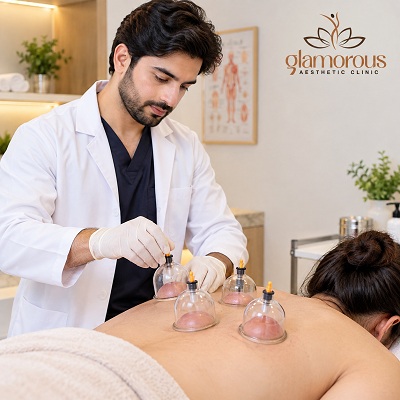
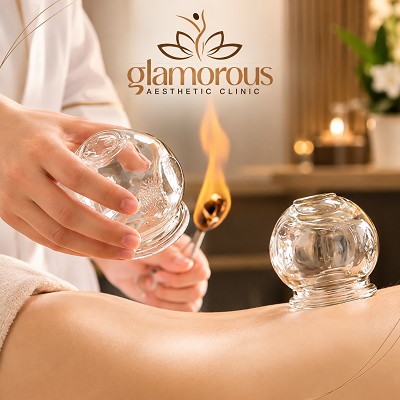
For dry cupping, cups are placed on the skin to create suction. For Hijama, superficial skin openings may be made before or after suction according to the treatment approach.
- Step 6: Treatment Completion:
The cups are removed and the treated area is checked. With Hijama, appropriate care is taken to manage the small skin openings and any bleeding.
- Step 7: Post-Treatment Guidance:
You receive instructions about caring for the treated area and what temporary effects you may notice.
- Step 8: Recovery And Follow Up Care:
Follow-up may be recommended depending on your treatment, response and individual requirements.
Benefits:
- May provide temporary relief for certain pain-related concerns
- Offers a non-surgical complementary treatment option
- Dry cupping does not require skin piercing
- Hijama involves a different treatment approach from dry cupping
- Treatment can be focused on selected areas
- The approach can be considered according to individual needs
- May be used alongside appropriate conventional care when suitable
- Allows treatment planning based on individual circumstances
- Can be discussed according to specific treatment goals
- Provides an option for people interested in complementary therapies
Aftercare:
- Follow your specialist’s aftercare instructions carefully
- Keep any treated or pierced areas clean
- Avoid scratching or rubbing the treated skin
- Avoid unnecessary pressure on the treated areas
- Do not pick at any small crusts that may develop
- Avoid applying irritating products to treated areas unless advised
- Monitor the area for unusual redness, swelling or discharge
- Follow any wound-care instructions provided after Hijama
- Attend recommended follow-up appointments
- Contact your medical professional if you develop severe, unusual or worsening symptoms
Cost of Cupping or Hijama Treatment in Islamabad
The cost of cupping or hijama at Glamorous Aesthetic Clinic may range from Rs 5,000 to Rs 15,000+ depending on the type of treatment, number of areas treated, treatment requirements and individual treatment plan.
| Cupping or Hijama Treatment | Average Cost (PKR) |
| Dry Cupping Treatment | Rs 5,000 – Rs 8,000 |
| Hijama Treatment | Rs 7,000 – Rs 12,000 |
| Multiple Treatment Areas | Rs 10,000 – Rs 15,000+ |
| Consultation | Rs 2,000 – Rs 5,000 |
| Follow-up Consultation | Rs 2,000 – Rs 5,000 |
| Complete Treatment Plan | Depends on individual requirements |
Factors Affecting Cost:
- Type of treatment selected
- Dry cupping or Hijama
- Number of treatment areas
- Number of cups used
- Treatment duration
- Size of the treatment area
- Individual treatment requirements
- Health and treatment history
- Complexity of the treatment
- Follow-up requirements
- Additional treatment needs
- Individual treatment goals
FAQ,S OF Which Is Better, Cupping or Hijama:
Is Hijama the Same as Cupping?
Hijama is a type of wet cupping that involves superficial skin openings and the drawing of a small amount of blood, while dry cupping does not pierce the skin.
What Is the Difference Between Cupping and Hijama?
Dry cupping uses suction without piercing the skin, while hijama combines suction with superficial skin openings and blood removal.
Does Cupping Help With Pain?
Cupping may provide relief for some pain-related concerns, but the evidence is limited and results vary between individuals.
Does Hijama Remove Toxins From the Body?
There is not enough high-quality evidence to claim that hijama removes toxins from the body or treats a broad range of medical conditions.
Is Cupping Painful?
Cupping may cause temporary pulling, pressure, tenderness or bruising, while hijama can involve additional discomfort from the superficial skin openings.
Are There Side Effects After Cupping or Hijama?
Temporary marks, redness, tenderness, bruising and skin irritation may occur, while hijama can also involve bleeding and carries an infection risk if proper sterile technique is not used
How Many Cupping Sessions Are Needed?
The number of sessions varies according to the treatment area, reason for treatment and individual response.
Can Everyone Have Hijama?
No. Suitability depends on individual health circumstances, medications, skin condition and other relevant factors, so an appropriate assessment is important before treatment.
What Is the Cost of Cupping or Hijama in Islamabad?
At Glamorous Aesthetic Clinic, the estimated cost may range from Rs 5,000 to Rs 15,000+, depending on the treatment type, areas treated and individual treatment requirements.
Book Your Consultation Today!
At Glamorous Aesthetic Clinic, choosing between cupping and hijama begins with an assessment of your concerns, health history and treatment goals. There is no right or wrong treatment; you can discuss your suitability and differences with your treatment before you start it. Schedule an appointment to learn Which is Better, Cupping or Hijama, what it entails, and what you can expect from both options.

Dr.Annas Sani

Introduction: Dr. Annas Sani is a highly motivated and compassionate physician with a strong background in internal medicine, general practice...
View Profile
Dr. Mehwish Asad
Introduction: Dr. Mehwish Asad is an Aesthetic and General Surgeon, a motivated and hardworking specialist, enthusiastic about medical services...
View Profile
Dr. Ahmed Ali
At our clinic we introduce you to our certified and professional Dr Nadia Tariq, a well known plastic and reconstructive surgeon and aesthetician...
View Profile
Dr. Nadia Tariq
At our clinic we introduce you to our certified and professional Dr Nadia Tariq, a well known plastic and reconstructive surgeon and aesthetician...
View Profile
Dr. Fabiha Abid
We proudly introduce you to our certified and highly skilled Dr. Fabiha Abid, a renowned physiotherapist and aesthetician providing...
View Profile
Dr. Sabeela Imran
Dental Surgeon (BDS) | PMDC Registered: Dr. Sabeela Imran is a patient-friendly dental surgeon who is passionate about...
View Profile
Dr. Samra Liaquat
At our Glamorous Clinic, we proudly announce our medical professional Dr. Samra Liaquat, an experienced dental surgeon and aesthetic...
View Profile
Dr. Zala Ejaz
Introducing Dr. Zala Ejaz – a highly skilled and trained Dermatologist and Aesthetic Physician with extensive clinical experience in diagnosing...
View Profile
Dr. Rabia Qazi
Aesthetic Doctor | GMC Registered | NHS Doctor Dr. Rabia Qazi is a highly qualified aesthetic physician dedicated to delivering...
View Profile
Dr. Abida Sardar
Meet Dr. Abida Sardar—the Consultant Dermatologist and Aesthetic Physician at Glamorous Aesthetic Clinic Islamabad. With more than 19 years of...
View Profile
Dr. Muqaddas Mahnoor
Doctor of Physical Therapy (DPT) | Cardiac Perfusion Technology Student | Science Educator Dr Muqaddas Mahnoor at Glamorous Aesthetic Clinic...
View Profile
Dr. Mahrukh Ali
Dentist | Aesthetic Physician. Dr. Mahrukh Ali is an expert dentist and aesthetician with experience in general dentistry and aesthetic treatments.
View Profile